
Search Texas Residents Directory
Texas keeps one of the largest collections of public records in the country. The state holds vital records, voter rolls, property data, court files, and much more across all 254 counties. This Texas residents directory brings those sources into one place so you can search by name and find the records you need. State agencies and county offices each hold different types of records tied to resident identity, address history, and legal filings. You can start your search right here or go to a specific county or city page for local details and resources.
Texas Residents Directory Overview
Texas Residents Directory Sources
The Texas residents directory pulls from several state agencies that keep official records on file. The Texas Department of State Health Services runs the Vital Statistics Section. It holds birth and death certificates, marriage records, and divorce verifications for the whole state. This is the main source for vital records in Texas. You can order records online, by mail, or in person. Under Texas Health and Safety Code Chapter 191, the state controls how vital records are created, stored, and released to the public.
The Vital Statistics Section at DSHS maintains records going back many years. They keep data on births, deaths, marriages, and divorces for every county in Texas.
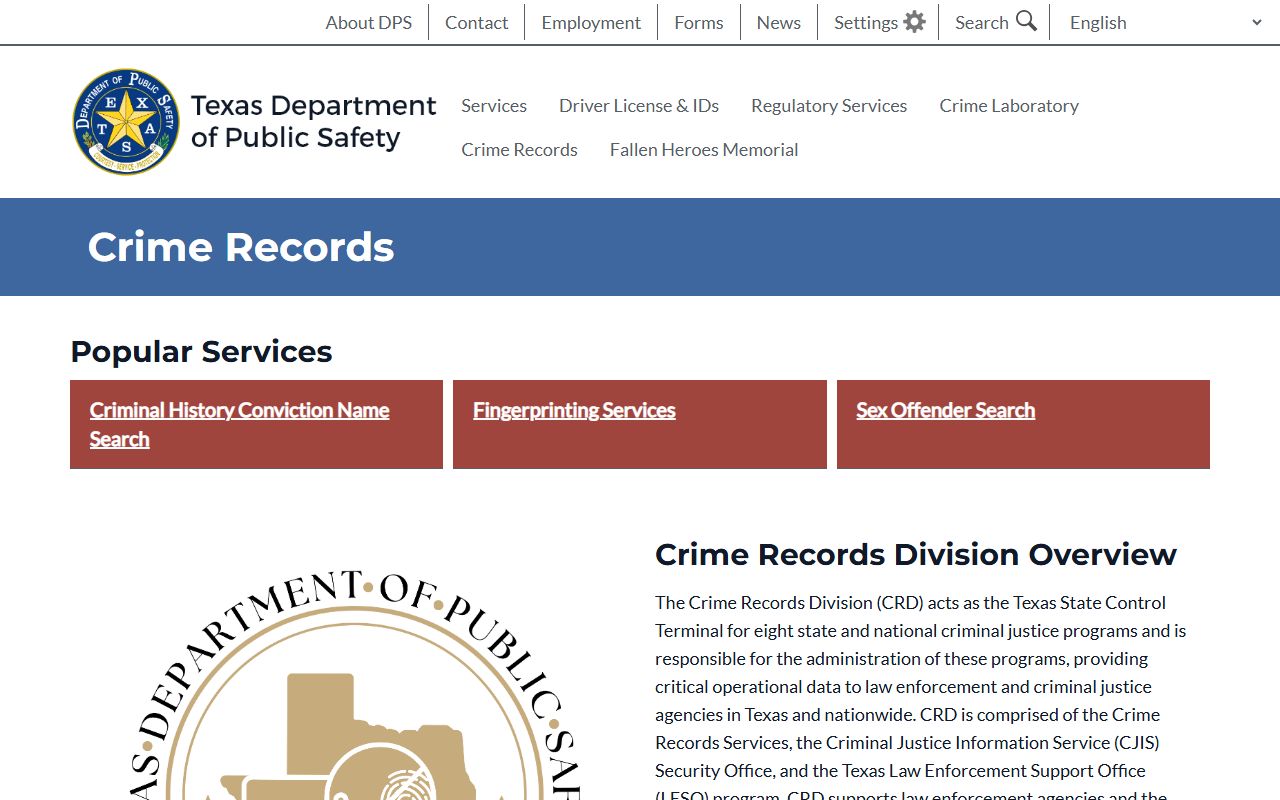
Processing times vary based on the type of record and how you submit your request. You must show valid ID and pay a fee to get a certified copy.
Texas also runs a central portal for ordering vital records. The Texas.gov vital records page is the fastest way to get copies of birth, death, marriage, or divorce records online.
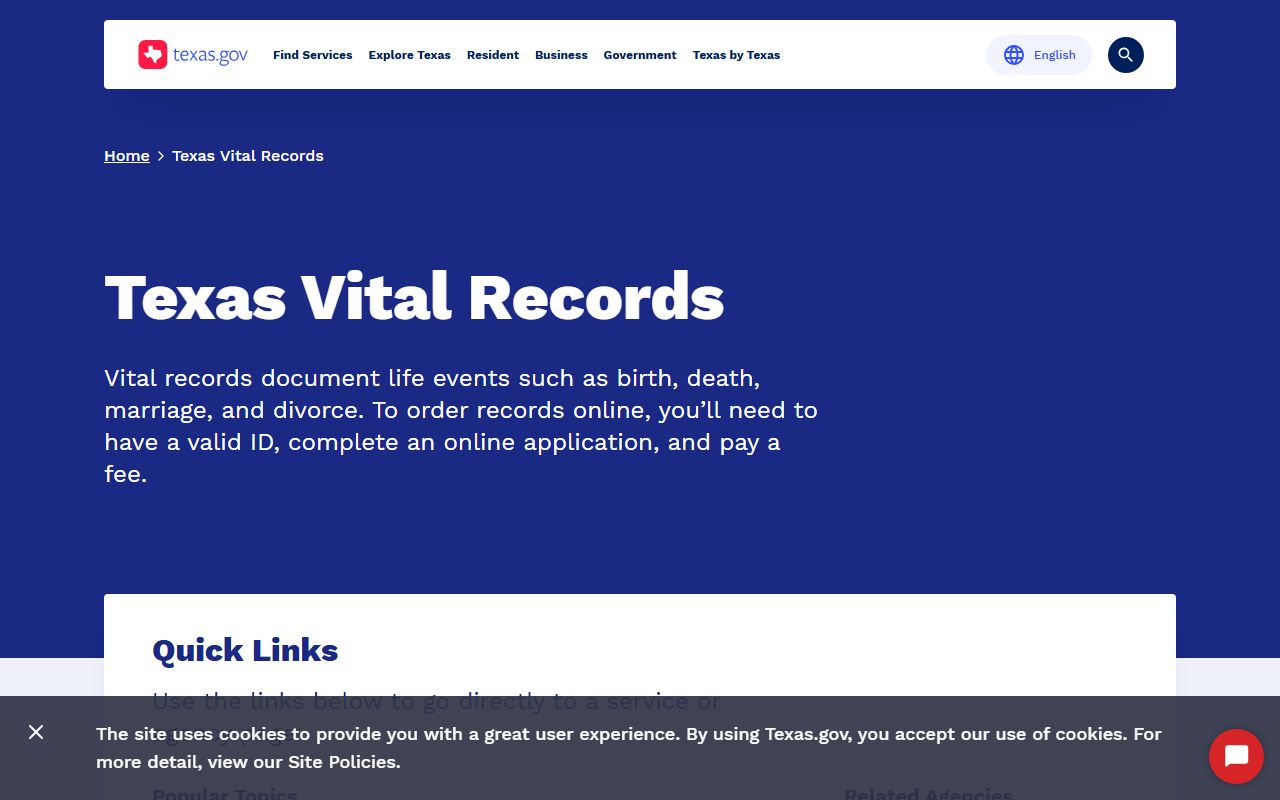
Only the person named on the record, close family members, or someone with legal authority can request vital records. Payment options include credit cards, checks, and money orders.
Texas Driver Records
Driver records are part of the Texas residents directory because they tie a person to a name, address, and date of birth. The Texas Department of Public Safety keeps records for every licensed driver in the state. You can order your own record online or by mail. The DPS cannot give you records in person at any of their offices. Under Transportation Code Chapter 521, the state sets rules for who can get these records and how they are stored.
The DPS driver record ordering page tells you what you need. You must have your license number, audit number, date of birth, and last four digits of your Social Security number.
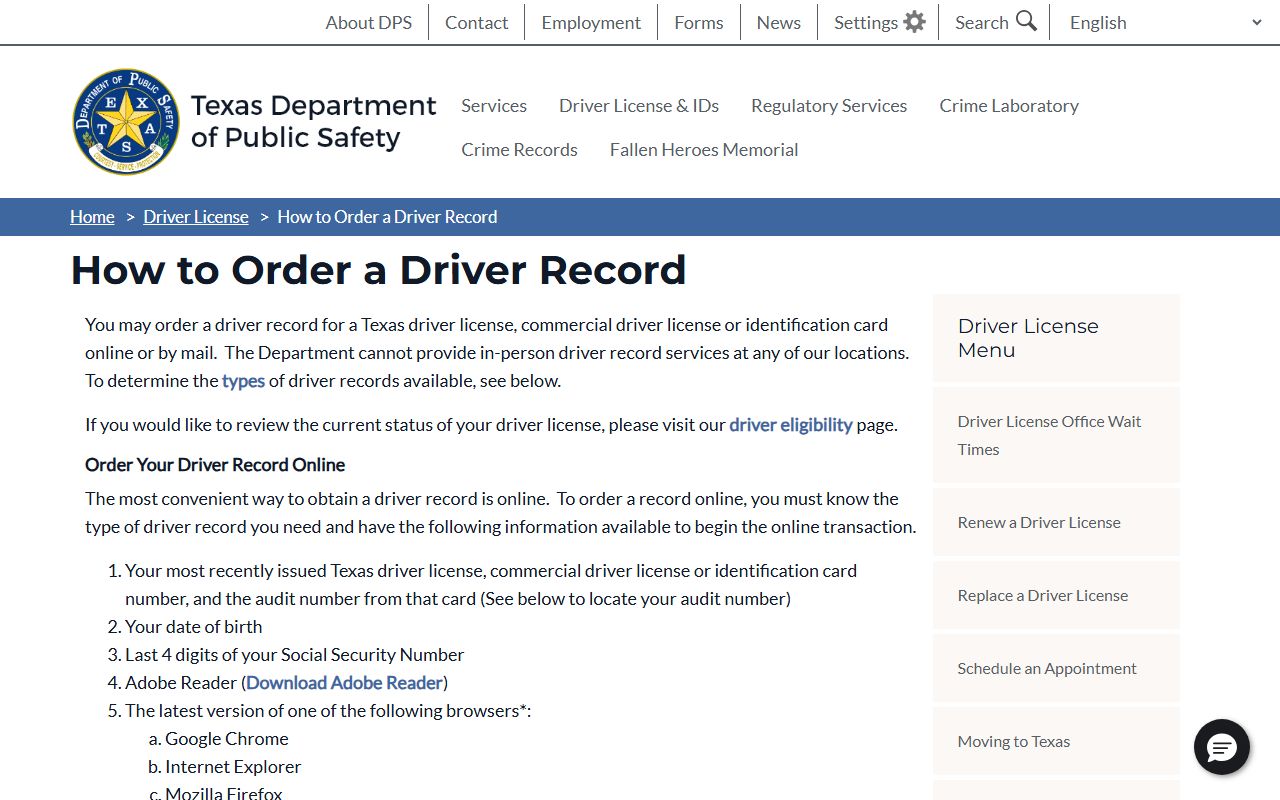
Online orders let you print or email the record right away. Mail orders take about three weeks.
The DPS Online Driver Record Request System handles all electronic requests for Texas driver records.
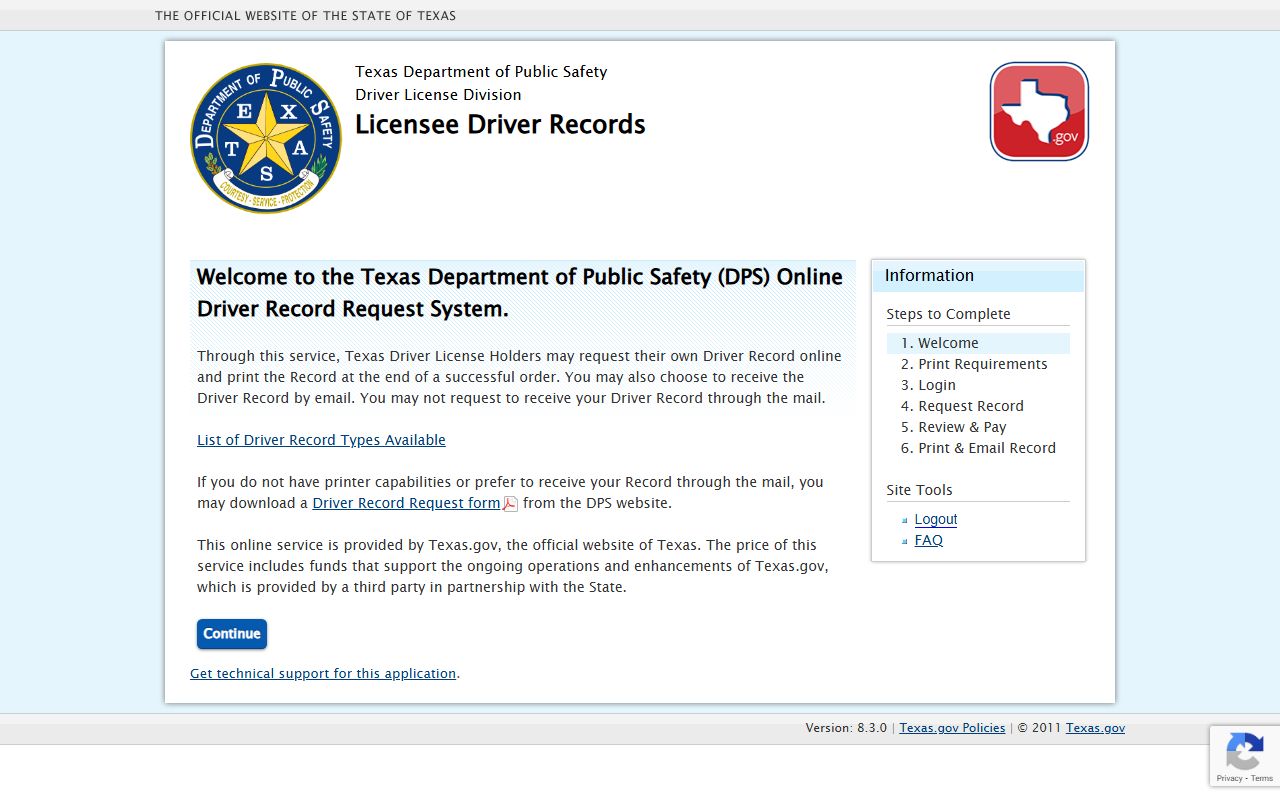
You can choose to receive your record by email or print it at the end of a successful order. This system only works for your own record.
Texas Residents Directory Voter Records
Voter registration records are public in Texas. They show a person's name, address, date of registration, and voting history. The Secretary of State is the chief election officer. The office keeps the statewide voter database through a system called TEAM. County election offices handle local registration. There are more than 17 million registered voters in Texas.
The Secretary of State Elections Division works with all 254 county registrars to keep voter rolls up to date. They provide calendars, ballot certification, and legal interpretations of election laws.
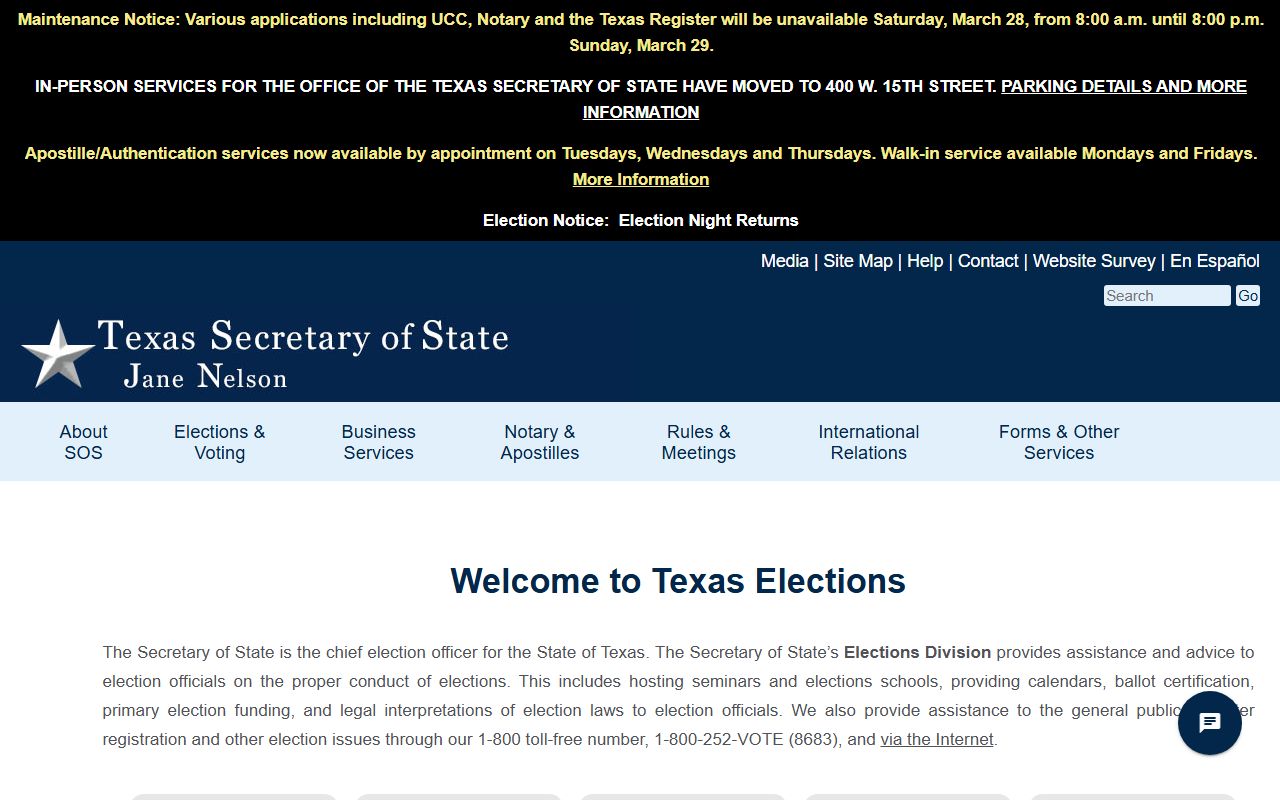
You can call 1-800-252-VOTE (8683) to ask about voter registration or other election issues.
Use VoteTexas.gov to check registration status, find polling places, and see election results. The site works on mobile devices too.
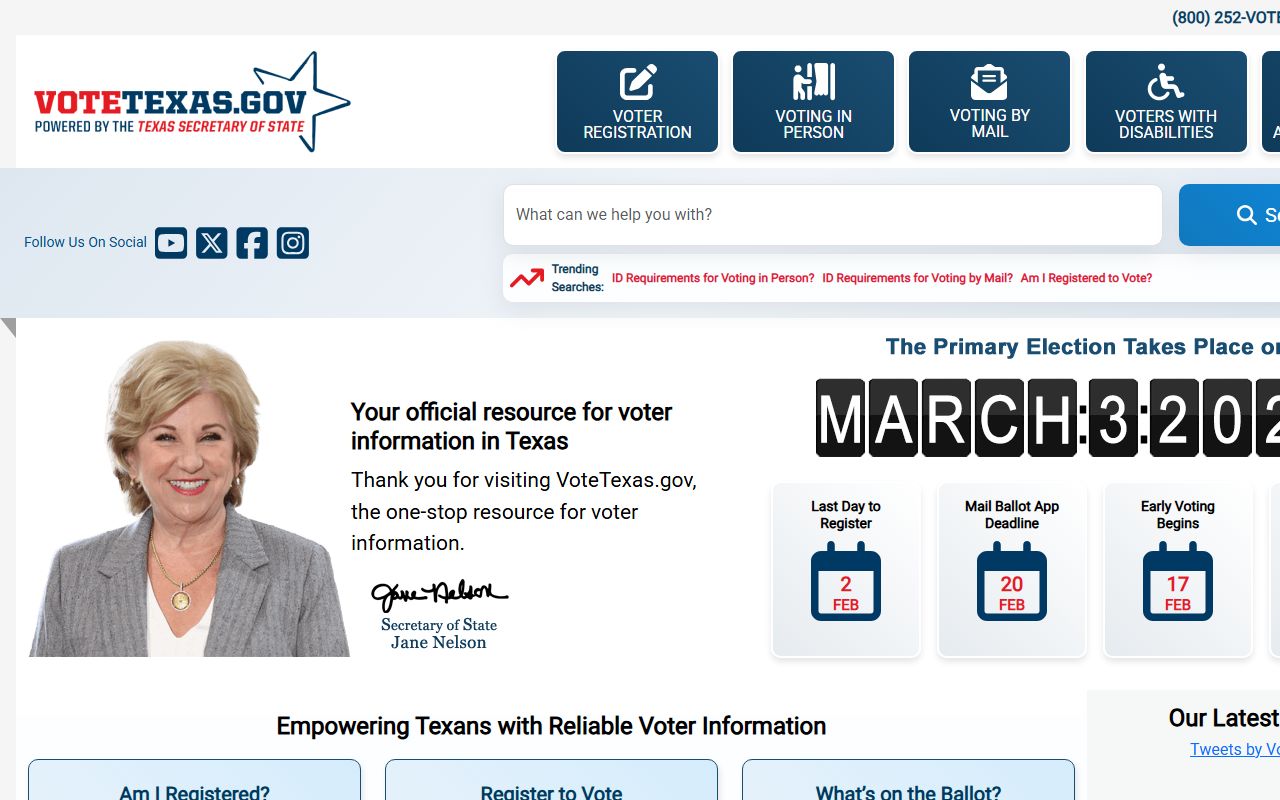
Some voter information is restricted for safety reasons. The state limits access to certain data under Election Code Chapter 12.
Property Records in Texas
Property records help you find Texas residents by linking names to real addresses. Texas has no state property tax. Local governments set rates and collect taxes. The Texas Comptroller Property Tax Assistance Division provides resources for taxpayers and appraisal districts. Each county has its own appraisal district that sets property values. The county tax assessor-collector then sends out bills and collects payments.
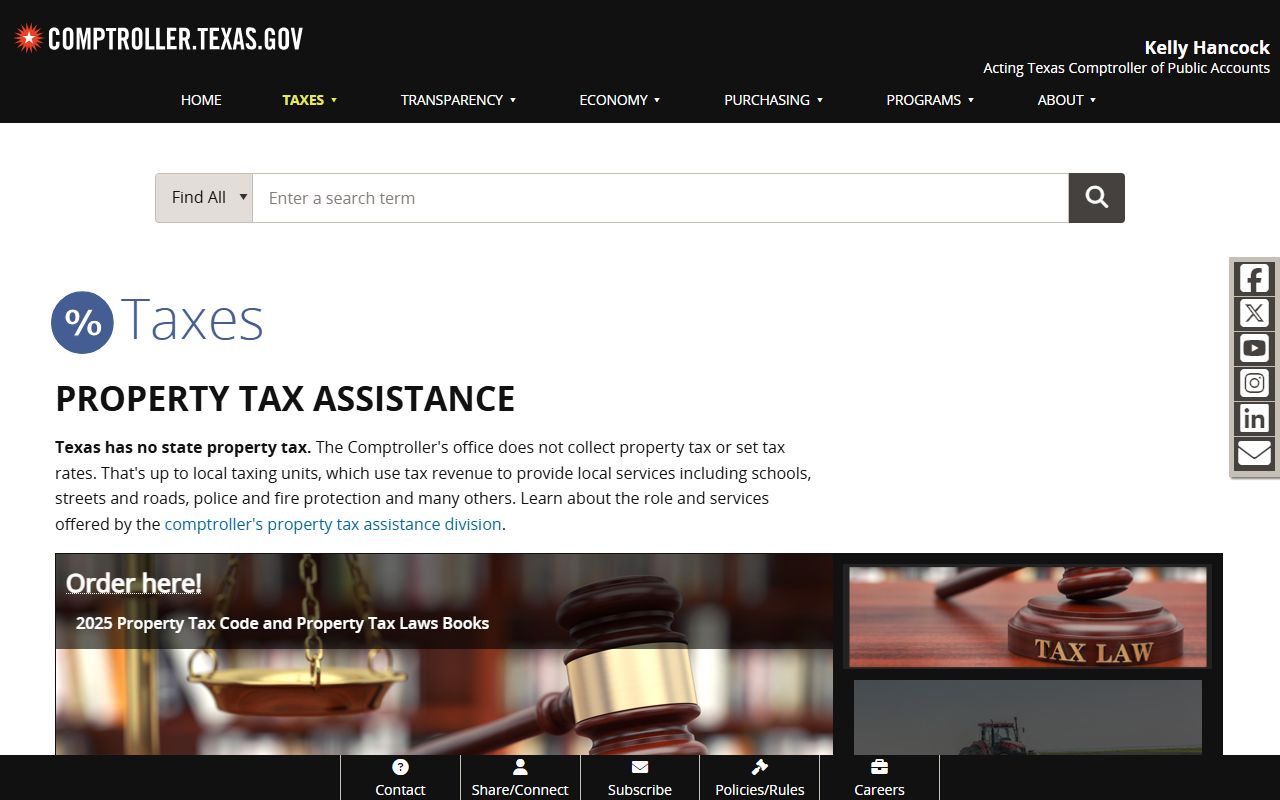
Most county appraisal districts let you search by owner name or address online. These searches show who owns a property, what it is worth, and what taxes are due.
County clerks also keep deed records. These show property transfers, liens, and mortgages. In Harris County, real property records go back to 1961 online. Dallas County records date to 1964. Older records are on file at the courthouse or in digital archives. This data is a key part of the Texas residents directory because it shows where a person lives or has lived.
Note: Most property questions should go to your local county appraisal district or tax assessor-collector, not the state Comptroller.
Texas Residents Directory Court Records
Court records are public in Texas under Government Code Chapter 552, the Texas Public Information Act. The state has a large court system. District courts handle felony criminal cases and civil matters over $500. County courts cover misdemeanors, probate, and smaller civil cases. Justice courts handle evictions and small claims. Municipal courts deal with city ordinance violations and Class C misdemeanors.
The Texas Judicial Branch website links to court case search portals by jurisdiction. You can find case records for courts of appeals, district courts, and county courts.

The 14 courts of appeals cover different regions across the state. Each has its own set of published opinions and case records.
Criminal history records are another part of the Texas residents directory. The DPS Crime Records Service handles criminal history checks, the sex offender registry, and missing persons data. Under Government Code Chapter 411, the DPS manages access to criminal history information.
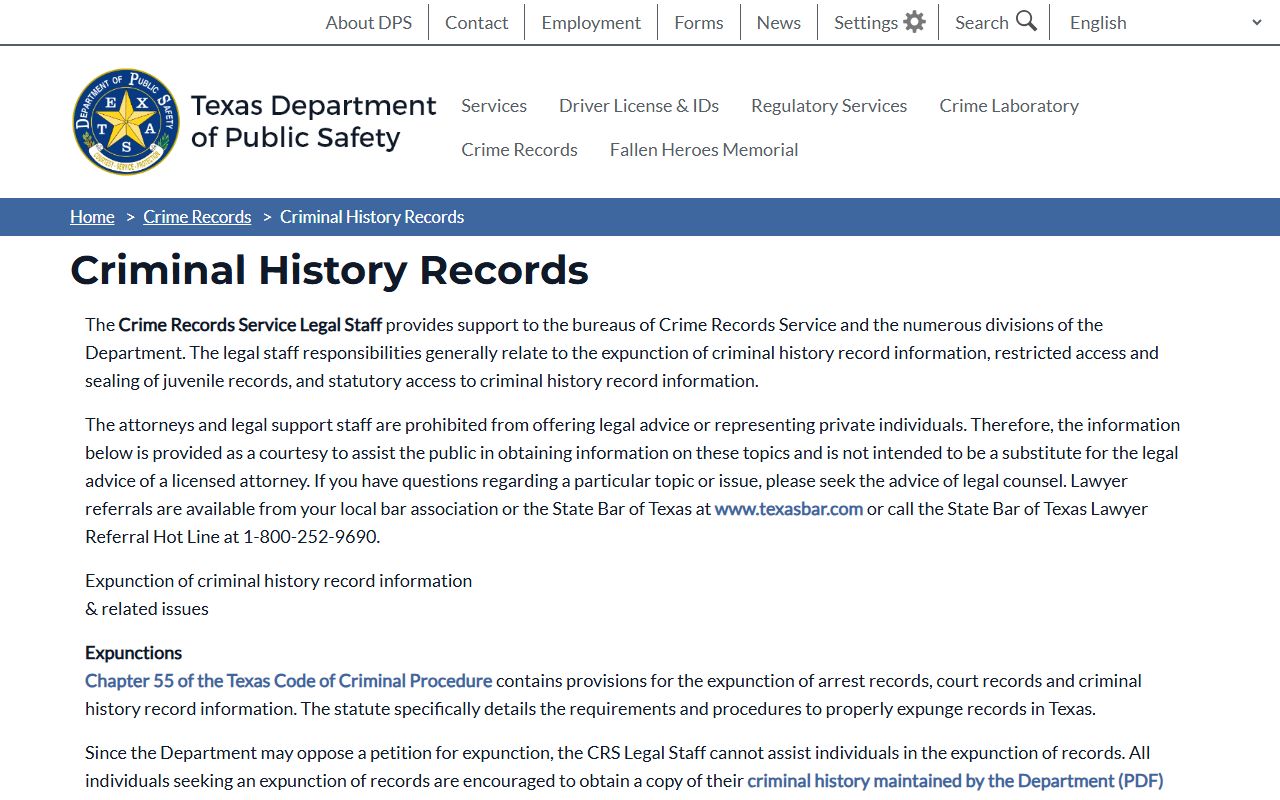
Chapter 55 of the Texas Code of Criminal Procedure allows for expunction of arrest records. Orders of nondisclosure under Government Code Section 411.071 can also limit what shows up in a public search.
Texas Business Records
Business entity records link Texas residents to corporations, LLCs, and other business filings. The Texas Secretary of State maintains a searchable database of all registered business entities. You can look up company names, registered agent addresses, and filing history. These records are public. Anyone can search them or request copies.
Use SOSDirect to search for business entities, assumed names, trademarks, and UCC filings. The system also provides certified copies of business documents.
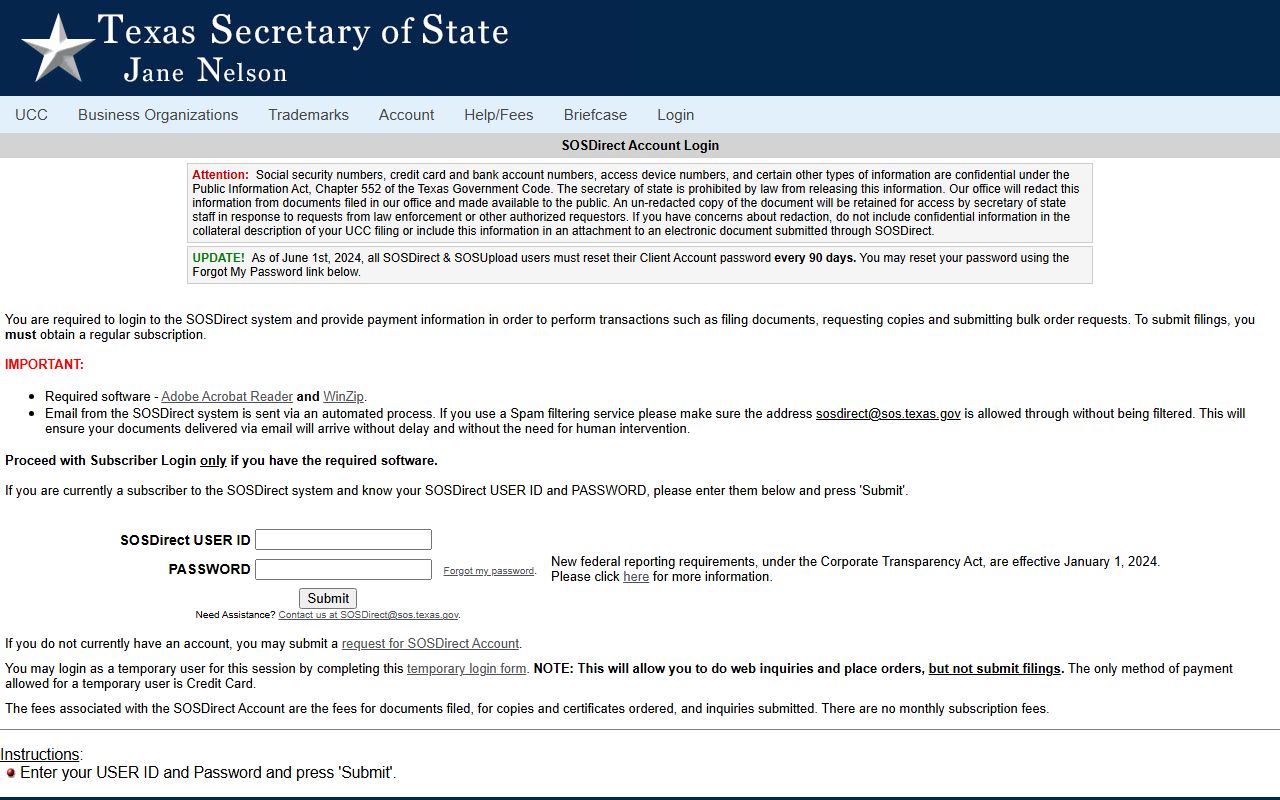
Starting September 15, 2025, the Secretary of State will no longer accept business filings by fax. Filings must be submitted online through SOSDirect, by mail, or in person.
The Texas Attorney General Open Government Division handles questions about the Public Information Act. If a government body denies your records request, the AG's office can issue a ruling on whether the records should be released. They publish the Public Information Act Handbook and provide training on open records laws.

You can file a complaint with the AG if you think a government body is not following the Public Information Act.
Texas Public Records Laws
Texas has strong public records laws. The Texas Public Information Act gives you the right to access government records. You do not have to be a Texas resident. You do not have to give a reason for your request. Government bodies must respond promptly. If they want to withhold records, they have to ask the Attorney General for a ruling within 10 business days.
All Texas statutes are free to read online at statutes.capitol.texas.gov. The site has every code from the Family Code to the Penal Code to the Government Code.
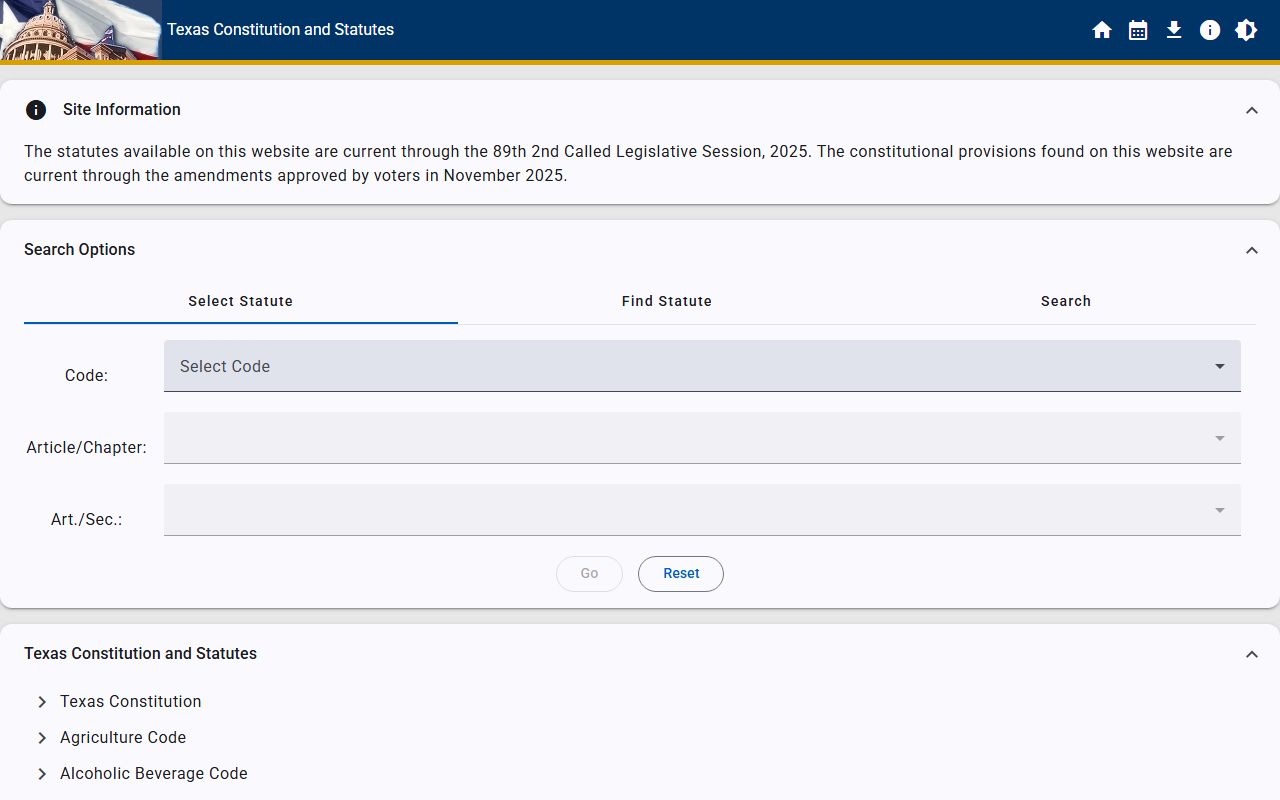
This official site is maintained by the Texas Legislative Council and covers the full text of every Texas statute.
Note: If a government body denies your request, ask for a written explanation and contact the Attorney General's Open Government Division.
Texas Residents Directory Archives
The Texas State Library and Archives Commission preserves historical records of Texas government. The archives hold census records, military records, vital statistics, and digital copies of old documents. Researchers and family historians use these records to trace Texas residents going back over a hundred years.

The State Library also helps local governments manage their records. Their digital archives give you online access to photographs and documents that would otherwise require a trip to Austin.
If you need to find a lawyer for help with records requests or other legal issues, the State Bar of Texas runs a referral service at 1-800-252-9690. You can also search their online directory at texasbar.com. For free legal help, Lone Star Legal Aid serves east and southeast Texas at (800) 733-8394, and Texas RioGrande Legal Aid covers central, south, and west Texas at (888) 988-9996.
Browse Texas Residents Directory by County
Each county keeps its own set of public records. Pick a county below to find local clerk contact info, search portals, and resources for the Texas residents directory in that area.
Texas Cities Residents Directory
Texas cities file records at the county level. Pick a city below to find out which county handles records for that area, along with local search tools.